The pay stub was sitting on the counter under the salt shaker when I got home from work Friday, and Tyler had drawn a circle around one line in blue pen. Overtime, 20 hours, $720. Next to it he'd written "not bad." Underneath was the stub from two weeks ago, with the same circle and the same note.
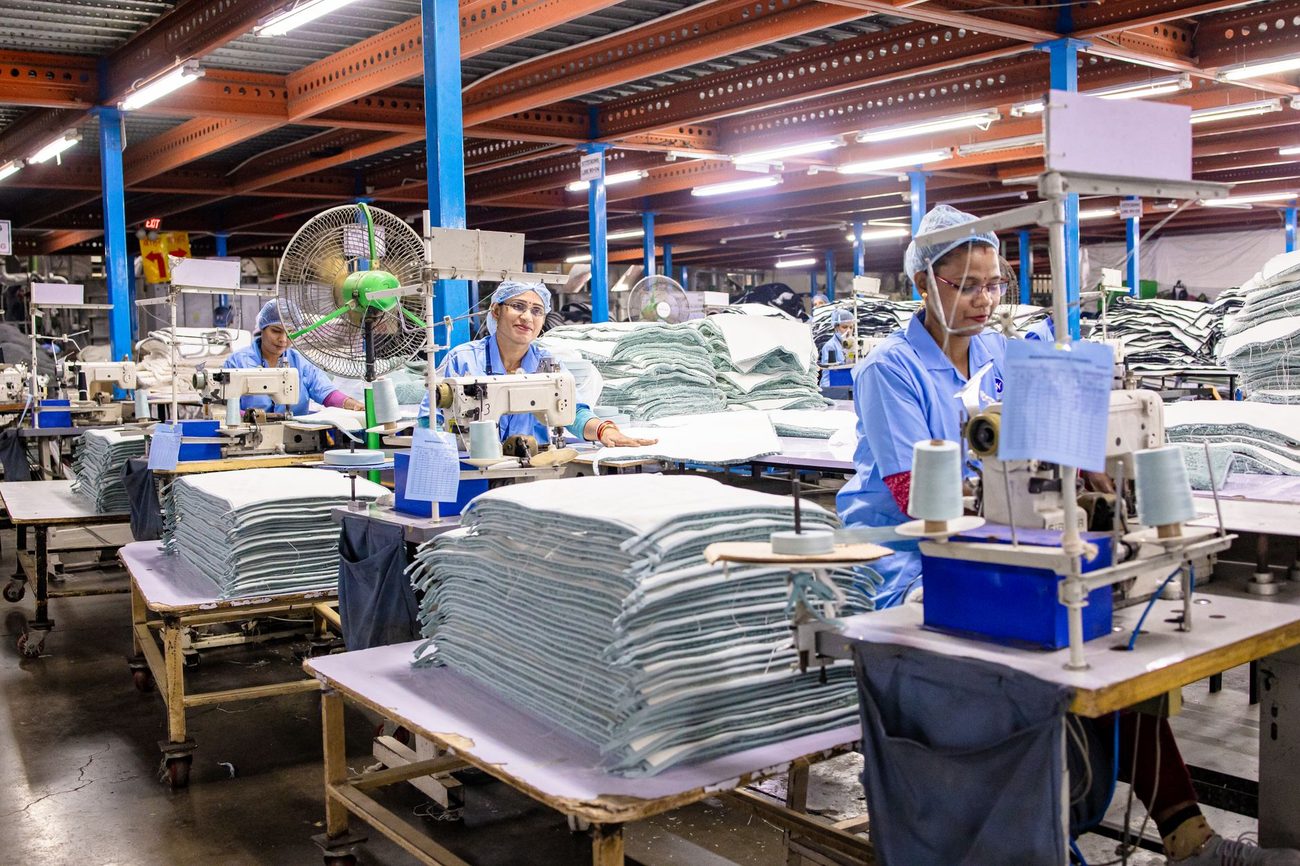
Back in early July, the plant was short two maintenance guys. One retired in June and the other hurt his back. They asked for volunteers, and Tyler signed up for two extra hours a day, Monday through Friday, for four weeks. That's 40 hours of overtime, and the last of it landed on yesterday's check.
Tyler makes about $24 an hour. Time and a half is $36. Forty hours at $36 is $1,440, and I'll admit I had spent that $1,440 in my head about four different ways before the first check came.
Where the $1,440 went
Here's what actually happened to it across the two paychecks:
| Line | Amount |
|---|---|
| Overtime pay before anything comes out | $1,440 |
| His 401(k), 5% | -$72 |
| Social Security and Medicare, 7.65% | -$110 |
| Federal withholding | -$164 |
| Missouri withholding | -$64 |
| Into our checking account | $1,030 |
So $36 an hour turned into $25.75 an hour in our account. That's $1,030 divided by 40.
Overtime isn't taxed at some special higher rate, even though half the guys at the plant swear it is. It just gets the same cuts as the rest of the check. Federal and state withholding come out of what's left after his 401(k), and Social Security and Medicare come out of the whole thing. When the extra is $1,440, those cuts add up to real money. Taxes took about 23 cents of every overtime dollar, and his 401(k) took another 5.
The 401(k) part isn't lost, though. The plant matches 4% of pay, so the overtime also put $57.60 of match into his account. Between his $72 and the match, that's $129.60 toward retirement we didn't plan on.
People at the plant have also been talking about the new federal deduction for overtime pay. From what I've read, it only covers the extra half in time and a half, it doesn't touch Social Security and Medicare, and it shows up when you file, not on the paycheck. We're not counting on any of it until someone who does taxes for a living looks at our return next year.
What overtime cost us
Ten-hour days don't come free. Tyler still mowed all six of his yards, so for four weeks he squeezed them into Saturdays and Sunday afternoons instead of spreading them over a couple of evenings. I picked up most of the cooking, the dishes and Moose's walks. Moose got shorter walks than he's used to, and he let us know about it at the back door every night.
We also ate out more. Twice we gave up and got a Casey's pizza, and there were a couple of drive-through suppers on nights I worked late, too. That came to about $50 more than a normal month.
So the real number is $1,030 minus $50, or $980. This morning that $980 went into the house fund. Divided by 40 hours, it works out to $24.50 an hour, which is almost exactly what Tyler makes at straight time before a single tax comes out. Time and a half, after taxes and pizza, is pretty close to plain time.
Would we do it again?
For a stretch like this, yes. $980 is more than three of my old $289 car payments, all in one month, and it went straight to the house without touching our regular budget. It also helped that it had an end date. Four weeks is something you can grit your teeth through. Four months would be a different conversation, especially in mowing season.
Speaking of which, his mowing pays about the same per hour once you take out gas and the 25% we set aside for taxes, and he likes it a lot more. He's outside, nobody calls him on a radio to fix a conveyor, and the customers say thank you. The overtime money was real, but it came out of sleep and suppers together, and we both felt it by the third week.
Everything went on the Extra tab in the sheet, the same as birthday money or anything else that isn't a regular paycheck. Seeing it there, lined up next to the mowing payments, made it easier to compare the two honestly instead of going by how big the circled number looked on the stub.
When I asked Tyler if he'd sign up the next time the plant asks for volunteers, he said, "Let me think on it." In our house, that means no. My guess is he'll change his mind in January, when the yards are frozen and the overtime list goes up on the board again.