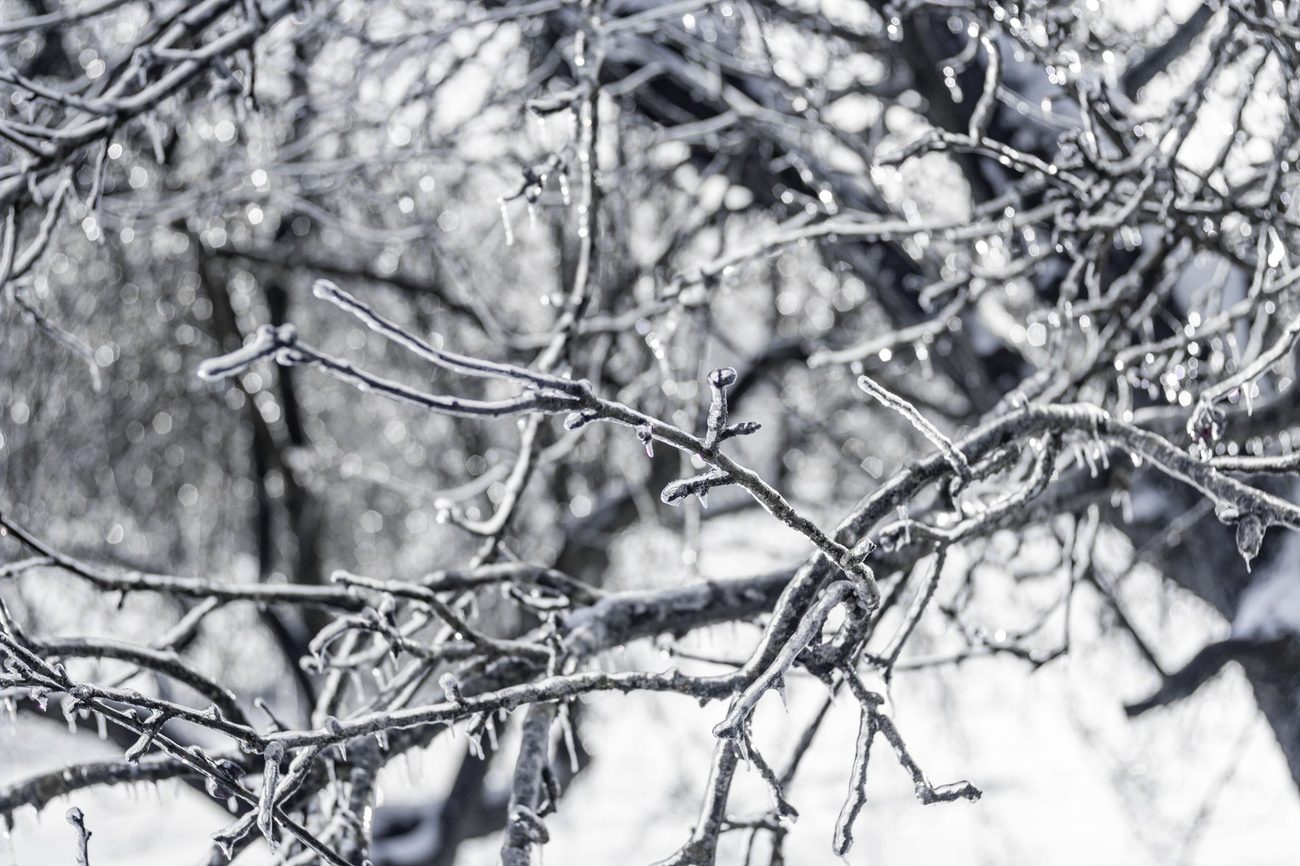
Two white trash bags sat next to the cart at the end of our driveway the morning after the ice storm, and I stood at the kitchen window doing math I didn't want to do. Pork chops, two bags of chicken thighs, a roast my mom gave us, ground beef and four of the freezer meals I made back in September for my long shifts. About $140, all of it soft.
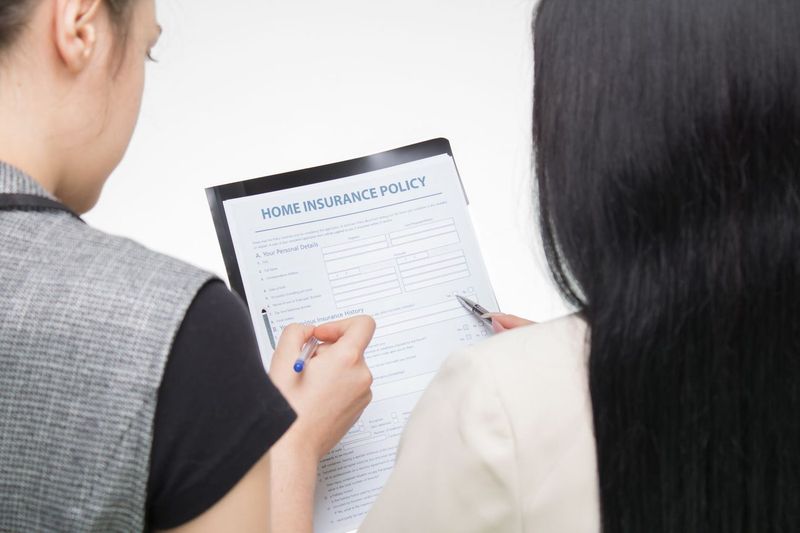
The power went out the evening of December 9 and came back nine hours later, early on the 10th. In an all-electric duplex, that means no heat, no stove and no freezer. I already wrote about the night itself. This post is about the other thing I did that week, which was sit down with our renters insurance policy and find out whether any of that $140 was coming back.
It wasn't. Here's why, and what I learned while I was in there.
Why the food wasn't covered
Our renters policy covers our belongings against a list of named causes, like fire, wind, theft, the weight of ice and snow, and a burst pipe. I read that list back in May and felt pretty good about it. What I hadn't read closely was the exclusions section, the part that says what isn't covered even when the cause sounds like it should be.
Ours excludes loss from a power failure that happens away from our home. The ice took down lines somewhere else in town. Nothing on our property broke. The power just stopped coming. So as far as the policy is concerned, the food spoiled because of an off-premises outage, and that's excluded. I called our agent in Moberly to make sure I was reading it right, and I was. The agent said that's common on renters and homeowners policies, but they're not all written the same, so check yours.
Some companies sell an add-on for food spoilage, sometimes called refrigerated property coverage, for a few dollars a year. Ours offers one, with its own $100 deductible. We didn't add it, and I'll get to why.
Why we wouldn't have filed anyway
Even if spoiled food were covered under the main policy, our deductible is $500. A $140 loss with a $500 deductible pays nothing. With the add-on, we'd have gotten about $40: $140 minus $100.
The agent also told me something I didn't know. Small claims can follow you. Insurers share claims history, and a couple of small claims can cost you a discount or nudge up your rate at renewal. I'm not going to trade a future price bump for $40 of pork chops.
So we didn't file. We just ate the loss, which is a strange thing to say about food we threw away.
What it would have covered
Reading the policy that closely turned out to be useful, because the storm could have been a lot worse. Here's what I found, minus our $500 deductible each time:
- If the weight of the ice had brought a limb through the roof and soaked our couch and TV, our things would be covered. The roof itself is Mr. Dale's insurance, not ours.
- If a pipe had frozen and burst and ruined our clothes, our things would generally be covered. The policy has rules about keeping the heat on or draining the pipes if you leave the place empty during a cold snap. We were home, so it didn't apply, but if you travel in winter, read that part.
- If storm damage had made the duplex unlivable, loss of use would help pay for somewhere else to stay. An outage by itself doesn't count.
In other words, our policy is built for the big disasters, not the annoying ones. I'm fine with that. The annoying ones are what the emergency fund is for, and $140 didn't even need that. It came out of the grocery budget, and we ate a lot of soup the following week.
What we changed
On the policy, nothing. The spoilage add-on is cheap, but the freezer on top of our fridge rarely holds more than about $150 of food. With a $100 deductible, even losing all of it would get us about $50. I'd rather keep the few dollars a year.
Off the policy, we bought a power bank and a couple of blankets, and I learned the freezer rule I should have known already: keep the door shut. A closed freezer holds its cold a lot longer than you'd think. Ours was small and only half full, and I opened it about four times during the night to check on it, which is exactly what you're not supposed to do. When the power came back, I followed the food safety guidelines instead of my gut, and anything I wasn't sure about went in the bag.
If you rent, find the exclusions section of your policy some quiet evening. It's usually a few pages after the part everyone reads. Ours was on page six. I'd rather you read it on a quiet night than with a trash bag in your hand.